

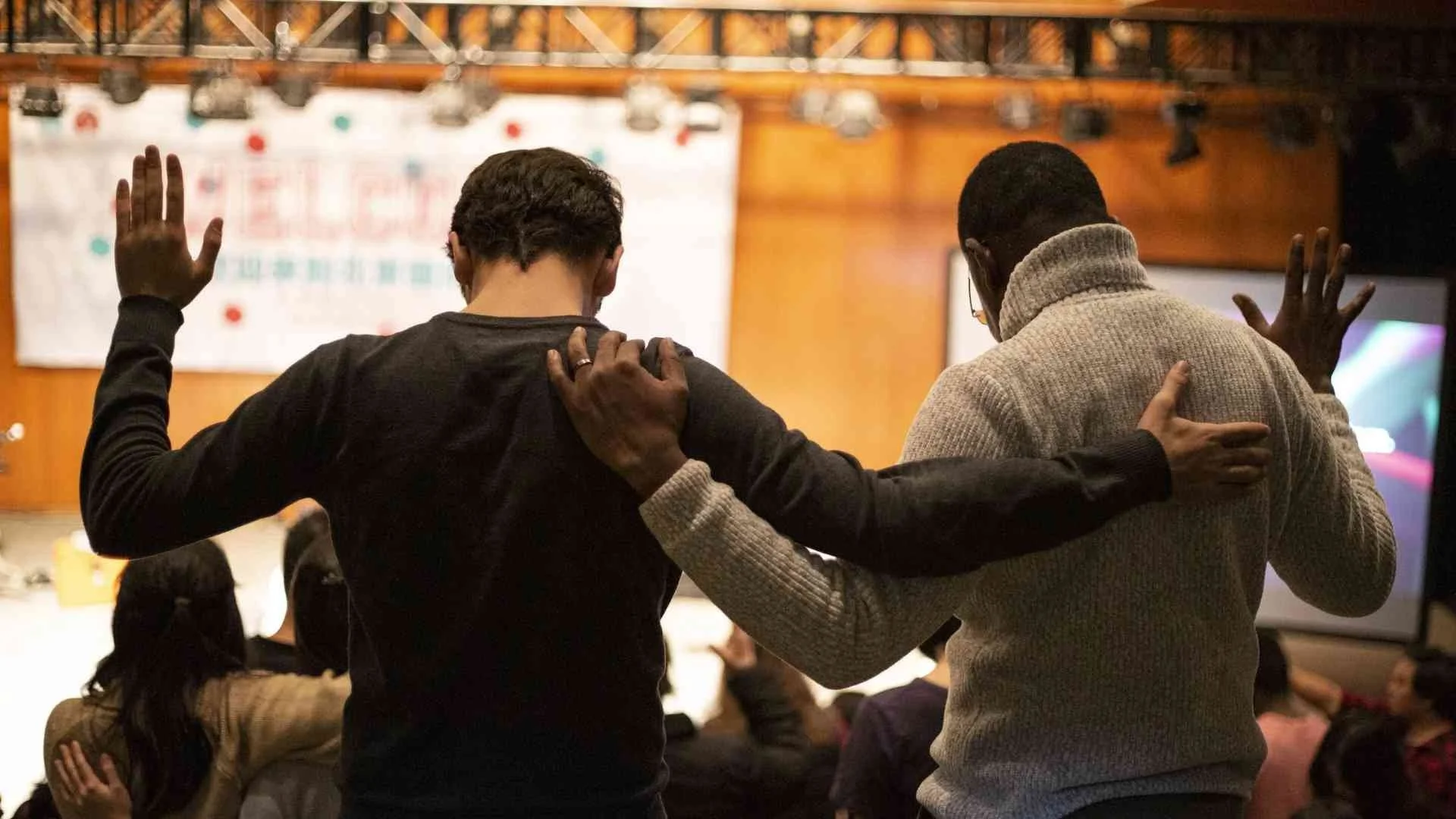
Houses of Worship
A welcoming environment depends on awareness.
Houses of worship are open, welcoming environments where congregants, visitors, and community members gather for worship, fellowship, and support. From services and community events to counseling sessions and large gatherings, the incidents with the greatest safety consequences often begin as subtle behavioral deviations that are easy to overlook in environments built on trust and openness.
Second Sight equips faith leaders, congregants, ushers, and volunteer and professional safety teams with a structured, repeatable observation process that improves early recognition of concerning behavior, supports clearer communication between congregants, volunteers, and safety teams, and reinforces consistent, defensible decisions. Transforming awareness from an intuition-driven skill into a consistent, teachable one — without compromising the welcoming spirit of the congregation.
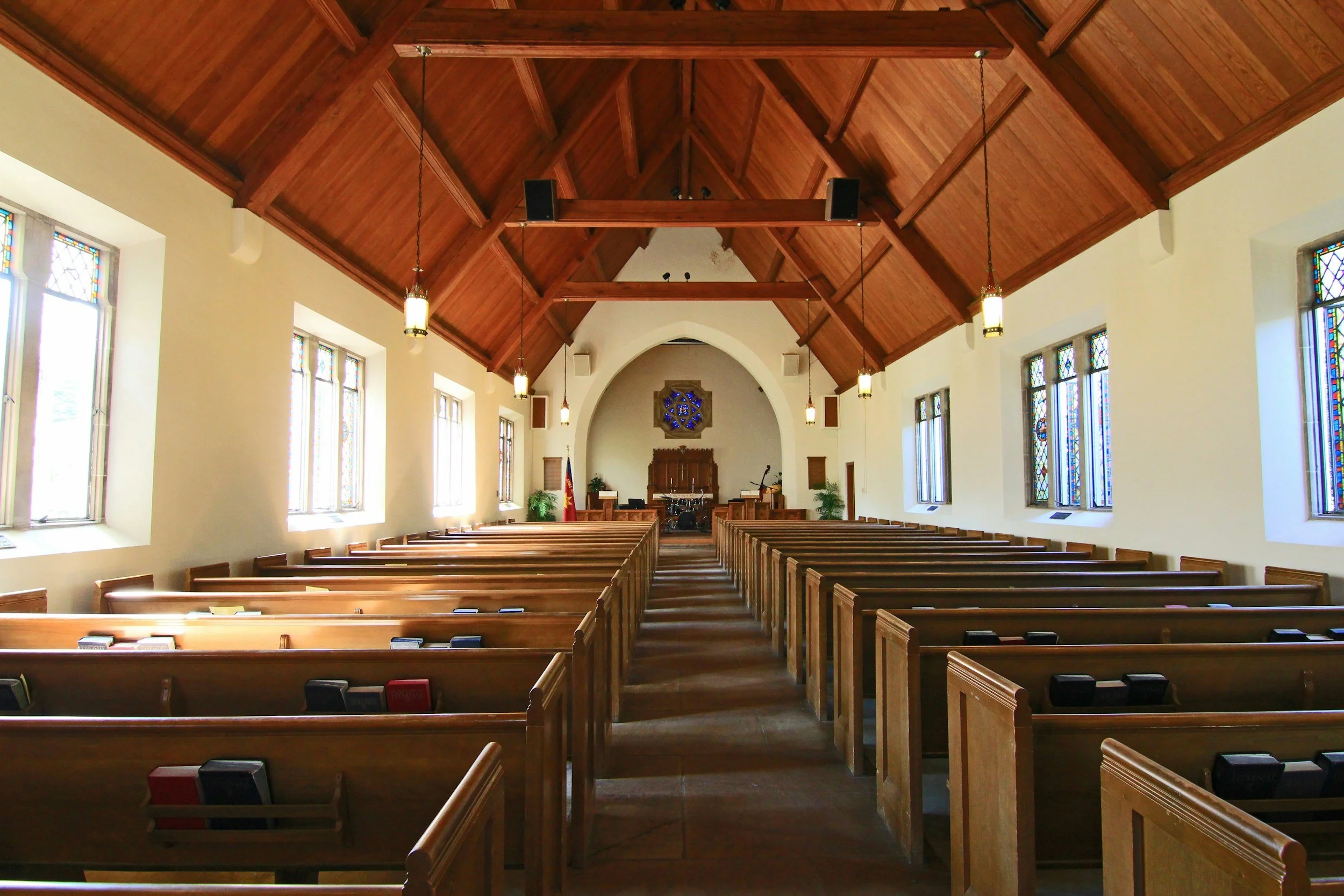
Threats are subtle
The incidents with the greatest impact on faith communities rarely begin with overt threats. They begin with subtle behavioral deviations:
Demeanor or movement that does not align with the worship environment
Behaviors associated with individuals carrying weapons or items that do not fit the setting
Unusual interest in entrances, exits, or security measures
Agitation or escalating emotional cues during services or events
In open, welcoming environments, these signals are easy to overlook or difficult to articulate clearly. Faith leaders, volunteers, and safety team members must make quick decisions about how to respond to concerning behavior in ways that protect the congregation while preserving the worship environment.
Policies, ushers, volunteers, security teams, and physical security alone do not always help personnel recognize concerning behavior early. Without a shared framework, recognition becomes inconsistent, communication becomes uneven, and decisions become harder to explain.
Second Sight closes that gap
Training Designed For Teams
One Framework. Multiple Roles
For Staff, Ushers, and Volunteers
Practical situational awareness training that helps staff, leadership, ushers, and volunteers recognize behavior that does not align with typical behavior in the environment and communicate their observations through our Situational Awareness for Safety course.
For Safety Teams
Advanced behavioral detection training that enables safety and security team members to consistently recognize behaviors that may indicate potential harm, including individuals carrying weapons, allowing for earlier and appropriate intervention through our Threat Awareness For Security Professionals Program.
Bundle Both Offerings for Complete Coverage
Ushers, other volunteers, staff, and faith leaders are often the first to observe behavioral shifts among congregants and visitors. Safety teams are responsible for interpreting and responding.
Second Sight programs follow the same framework and are designed to work together. When volunteers and safety teams share a common observation framework, faith communities build a consistent safety posture across services, events, and gatherings. One that preserves the welcoming nature of the congregation while strengthening preparedness.

100% of faith-based safety teams who completed Second Sight training reported improved ability to identify suspicious individuals based on behavioral cues. Download our houses of workship overview to see how the training works, what participants learn, and how it fits your team’s needs.
See How Houses of Worship Strengthen Awareness
Supplemental Training
-

De-Escalation: Theory to Practice
This 3-hour course provides participants with practical tools to de-escalate interpersonal encounters while prioritizing personal safety. It emphasizes research-based communication skills, rapport-building techniques, and influence tactics that can be applied in any workplace setting where personnel interact with potentially agitated individuals.
-
Threat Awareness in Practice
This is an online refresher course designed to help learners review key concepts and practice their active threat assessment skills. Access is limited to those who have completed the Threat Awareness training program.
Frequently Asked Questions
-
Houses of worship can benefit from two complementary offerings depending on the role. For congregants, volunteers, and general staff, the Situational Awareness for Safety course provides a structured observation process for recognizing behavior that does not align with the environment during services, community events, and other gatherings. For paid and volunteer safety teams, the Threat Awareness for Security Professionals program provides advanced behavioral detection training that sharpens how personnel interpret behavioral indicators and make defensible decisions. Both can be bundled for complete coverage across roles.
-
Yes. The De-Escalation: Theory to Practice course is recommended for faith leaders, volunteers, and safety team members who regularly encounter potentially volatile interpersonal situations during services or community events. It can be taken independently or combined with our observation training for a more comprehensive safety curriculum.
-
No. The training emphasizes observation and awareness, not suspicion or confrontation. The goal is to help congregants, volunteers, and safety and security team members recognize concerning behavior while preserving the welcoming spirit of the congregation.
-
Safety teams are essential, but awareness across the broader congregation strengthens safety further. Second Sight provides a shared framework that improves how volunteers recognize and communicate concerning behavior and how safety teams interpret and respond.
-
Trust remains central. Awareness training simply helps leaders, volunteers, and safety teams recognize behavior that does not align with the environment or cannot be easily explained, before situations escalate.
-
Yes. Second Sight training is designed to be practical and approachable for all staff, including both volunteer and paid safety and security teams. The focus is on recognizing behavior that does not align with the environment and communicating concerns clearly — not on advanced security techniques.
-
Yes. The Situational Awareness for Safety course is available online and can be completed at a volunteer's own pace with minimal disruption to ministry activities. The Threat Awareness for Security Professionals program is available online and in instructor-led format for safety teams. Multi-license purchasing is available for organizations looking to train across their full volunteer and staff base.
-
Second Sight teaches personnel not just how to observe, but how to articulate what was observed and why it warranted attention. This strengthens communication between volunteers, faith leaders, and safety teams — and provides clearer, more defensible explanations when safety-related decisions must be made during services or events.
What Past Participants Are Saying About Out Training
-
“As director of a church-based volunteer safety and security ministry, surveillance is the number one skill we can develop to better protect our environment and is a great proactive tool.
Threat Awareness for Security Professionals
Director of Safety and Security
-
“Great functional tools: methodical observation techniques to quickly develop a behavior baseline, then further ascertain roles, objectives and any deviations to the norm. Quickly assess possible threats: Threat Indicators when found in clusters will add to JDLR picture to help keep myself, my team and the public more safe. Formulate a more cohesive and rapid response.”
Threat Awareness for Security Professionals
Church Security Volunteer
-
“We are looking to identify potential threats before they enter the building. This will help us identify them inside or outside.”
Threat Awareness for Security Professionals
Volunteer Church Security Team Member
Strengthen judgment. Improve defensibility. Protect the congregation.
Schedule a consultation to explore how Second Sight can support your faith community. Our post on active shooter prevention covers real, documented pre-attack behavior and what "left of boom" prevention looks like in practice.