

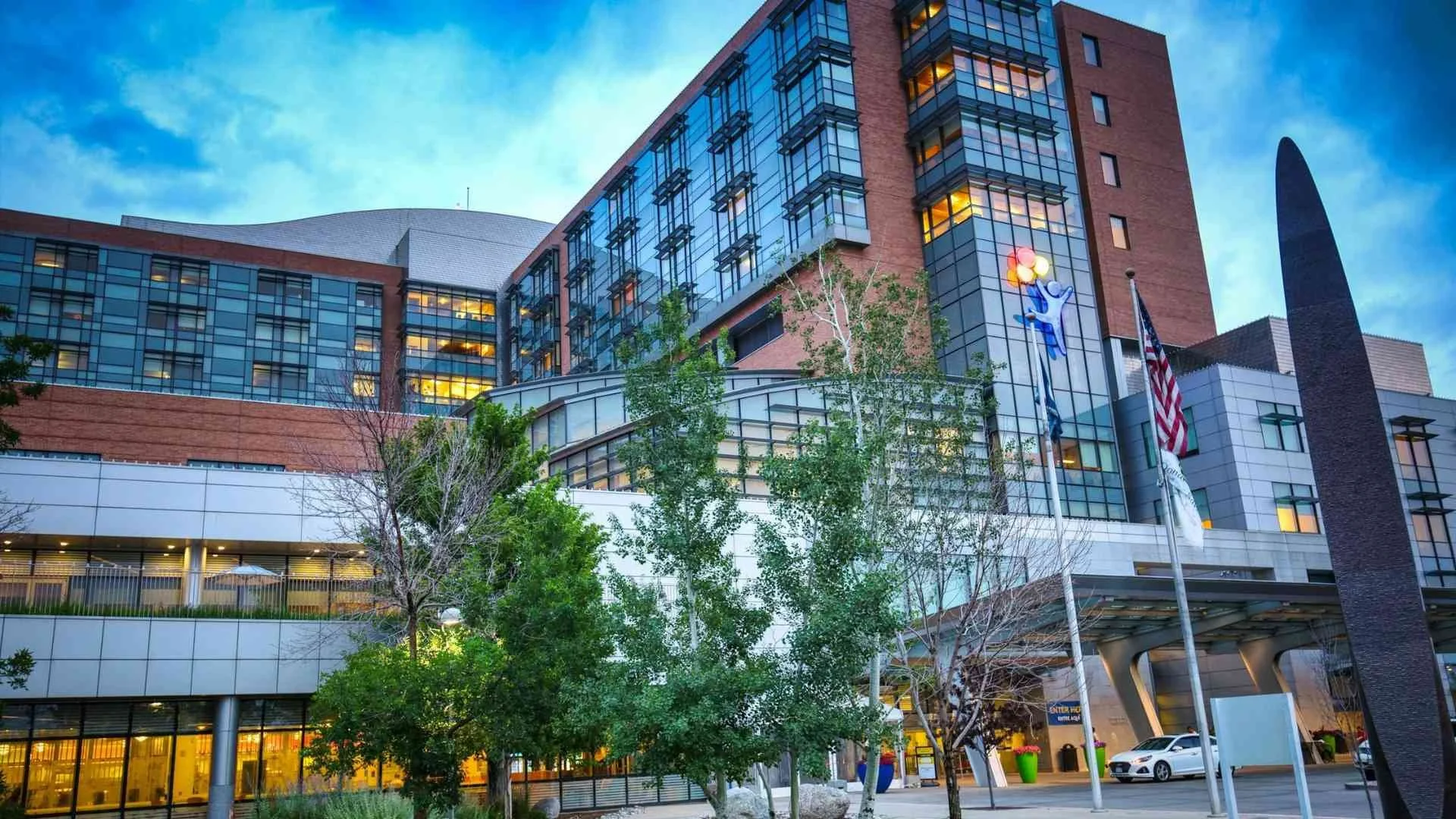
Healthcare
Patient care starts with a safe environment.
Healthcare environments combine open public access with emotionally charged interactions, complex clinical operations, and high levels of stress for patients, families, and staff. From emergency departments and waiting rooms to patient units, outpatient clinics, and administrative areas, the incidents with the greatest safety, operational, and legal consequences often begin as subtle behavioral deviations that are easy to miss in fast-paced clinical settings.
Second Sight equips clinical, administrative, and security teams with a structured, repeatable observation process that improves early recognition of escalating behavior, reduces unnecessary conflict, and supports consistent, defensible decisions. Transforming awareness from an intuition-driven skill into a consistent, teachable one that holds up under compliance and leadership review.
Threats are subtle
The most costly incidents in healthcare rarely begin with overt violence. They begin with subtle behavioral deviations:
Changes in demeanor, agitation, or restlessness in waiting areas
Escalating tension between visitors, patients, or staff
Repeated boundary-testing or unusual movement through the facility
In busy clinical environments, these signals are easy to overlook or difficult to articulate clearly. Healthcare teams need to be able to recognize behavior that does not align with the environment or cannot be easily explained while maintaining compassionate care and a supportive patient experience.
Clinical staff and security teams must make rapid judgments that may later be reviewed by hospital leadership, compliance officers, legal counsel, insurers, law enforcement, or regulatory bodies.
Adding more policies, alarms, or physical security alone does not reliably prevent workplace violence. Without a shared framework, recognition becomes inconsistent, reporting becomes uneven, and decisions become harder to defend.
Second Sight closes that gap
Training Designed For Teams
One Framework. Multiple Roles
For Frontline Staff
Practical situational awareness training that helps clinical and administrative staff identify behavior that doesn’t align with the environment while maintaining a positive patient experience through our Situational Awareness For Safety course.
For Security Teams
Advanced behavioral detection training that sharpens how security personnel interpret behavioral indicators, supports defensible decision-making in dynamic clinical settings, and improves the clarity of incident documentation across departments through our Threat Awareness For Security Professionals Program.
Bundle Both Offerings for Complete Coverage
Frontline clinical and administrative staff are often the first to observe behavioral shifts in patients and visitors. Security and safety teams are responsible for interpreting and responding.
Prevention improves when personnel across clinical, administrative, and security roles can consistently recognize meaningful behavioral deviations early using a structured observation process and clearly articulate why a situation warranted attention—before interactions escalate into safety incidents that affect staff, patients, or operations.
Second Sight programs follow the same framework and are designed to work together. When clinical staff and security teams share a common observation framework, your organization builds a consistent safety posture across departments and shifts — one that holds up whether reviewed internally, by compliance, or by outside counsel.
See How Healthcare Teams Strengthen Awareness
98% of healthcare security staff who completed Second Sight training reported improved ability to identify suspicious individuals based on behavioral cues. Download our healthcare overview to see how the training works, what participants learn, and how it fits your existing security posture.
Supplemental Training
-

Best Practices in Fieldwork Safety
This 2.5-hour course equips learners with essential knowledge, tools, and techniques to stay safe during fieldwork, client visits, and activities outside traditional workplace settings. It focuses on comprehensive planning strategies, environmental assessment techniques, and proactive safety practices that reduce exposure to danger in uncontrolled environments.
-

De-Escalation: Theory to Practice
This 3-hour course provides participants with practical tools to de-escalate interpersonal encounters while prioritizing personal safety. It emphasizes research-based communication skills, rapport-building techniques, and influence tactics that can be applied in any workplace setting where personnel interact with potentially agitated individuals.
-

Interview Planning and Credibility Assessment in Security Investigations
A research-based, instructor-led training program that teaches interview planning, rapport-building, the strategic use of evidence, and credibility assessment for security investigations.
Frequently Asked Questions
-
Healthcare organizations can benefit from several complementary offerings depending on the role. For clinical and administrative staff, the Situational Awareness for Safety course provides a structured observation process for recognizing behavior that does not align with the environment across emergency departments, waiting areas, patient units, and outpatient facilities. For home healthcare workers, the Situational Awareness for Safety course serves as the entry point, followed by the Best Practices in Fieldwork Safety course, which addresses the unique safety considerations of professionals conducting visits in uncontrolled environments. For healthcare security teams, the Threat Awareness for Security Professionals program provides advanced behavioral detection training that sharpens how personnel interpret behavioral indicators and make defensible decisions.
-
Yes. The De-Escalation: Theory to Practice course is recommended for clinical staff, administrators, and security personnel who regularly encounter potentially volatile patient or visitor interactions. For healthcare security investigators who conduct formal investigative interviews, the Interview Planning and Credibility Assessment program for security investigations is available as a standalone offering. Both can be taken independently or combined with our observation training for a more comprehensive healthcare safety curriculum.
-
Traditional workplace violence programs typically focus on response protocols after a situation has escalated. Second Sight focuses on the earlier stage — recognizing behavior that does not align with the environment so security and clinical teams can intervene before escalation.
-
The training emphasizes observation skills that integrate into normal interactions with patients and visitors rather than adding new procedures. Staff learn to recognize behavioral indicators as part of their existing responsibilities.
-
Second Sight does not replace professional judgment. It strengthens it by providing a structured, teachable observation process that personnel can apply across emergency departments, patient units, clinics, and administrative spaces.
-
Security teams play a critical role, but frontline staff are usually the first to observe behavioral changes. Second Sight provides a shared observation framework that improves how clinical personnel and security teams communicate and coordinate.
-
Yes. The Situational Awareness for Safety course is available online and can be deployed across hospitals, clinics, and outpatient facilities with minimal disruption to patient care and clinical operations. The Threat Awareness for Security Professionals program is available in both self-paced online and instructor-led formats. Multi-license purchasing is available, along with monthly enrollment progress reports so administrators can track completion across departments and facilities.
-
Second Sight teaches personnel not just how to observe, but how to articulate what was observed and why it warranted attention. This strengthens incident documentation and provides supervisors, compliance officers, and administrative leadership with clearer, more defensible information when evaluating safety incidents and reporting requirements.
Testimonials From Past Participants
-
“It was all pretty useful information and I will incorporate some new skills I have learned into my day to day duties as a security officer.”
Threat Awareness for Security Professionals | Hospital Security Officer
-
“It helped me to better determine a baseline for an area and be able to readily identify POIs (Persons of Interest) who are deviating from the baseline and to determine the level of threat displayed by the individuals.”
Threat Awareness for Security Professionals | Healthcare Security Sergeant
-
“The course was excellent and definitely should be used in security and police training in as many departments as possible.”
Threat Awareness for Security Professionals | Healthcare Security Lieutenant
Strengthen judgment. Improve defensibility. Protect patients and staff.
Schedule a consultation to explore how Second Sight can support your healthcare organization. Clear, consistent terminology is what makes coordination between clinical staff and security teams possible, read more in our post on why a shared vocabulary matters.