


Community & Social Services
Every interaction depends on professional judgment.
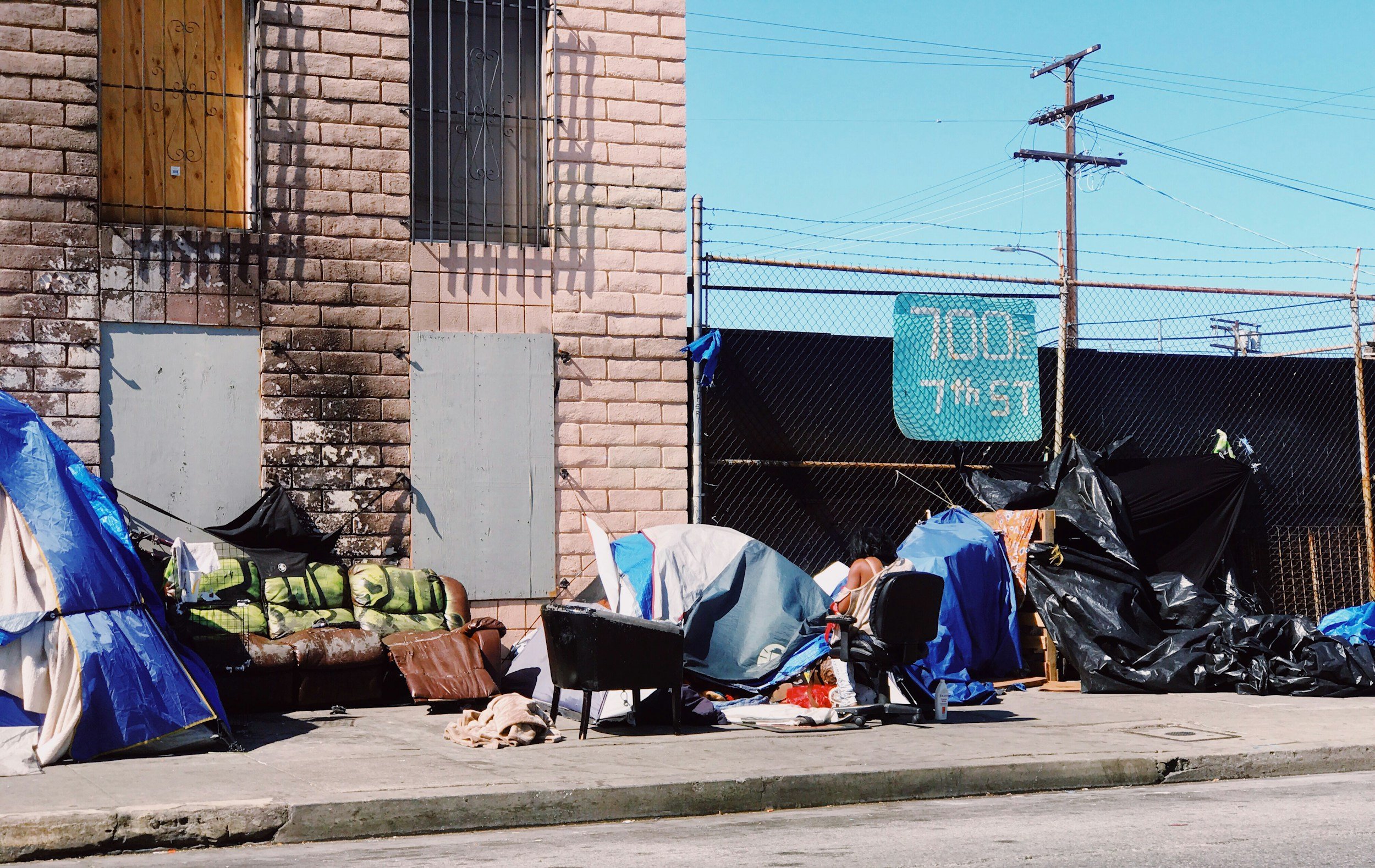
Community and social services professionals operate in environments outside the direct control of their organizations. From home visits and case interviews to community outreach and field-based services, personnel must navigate unpredictable interactions in homes, neighborhoods, and other public settings where the conditions can change from one moment to the next.
Second Sight equips social workers, case managers, home healthcare workers, and field-based professionals with a structured, repeatable observation process that improves early recognition of safety concerns, supports clearer decisions in the moment, and reinforces defensible documentation after the visit. Turning awareness from an intuition-driven skill into a consistent, teachable one that holds up under supervisory and agency review.
Threats are subtle
Behavioral threats may arise during interactions with clients, family members, or others present in the home or community setting.
The most serious incidents in field-based work rarely begin with overt aggression. They begin with subtle behavioral deviations:
Behaviors that don’t align with the environment
A shift in tone or body language partway through an interaction
Rising tension or agitation among others in the home or community setting
In emotionally charged interactions, these signals are easy to overlook or difficult to explain to supervisors after the fact. Social workers, case managers, and adult and child protective services investigators often work alone and must make real-time decisions that may later be reviewed by supervisors, agency leadership, law enforcement, legal counsel, or regulatory authorities.
Policies and procedures alone cannot prevent escalating encounters. Without a shared framework, recognition becomes inconsistent, documentation becomes uneven, and decisions become harder to defend.
Second Sight closes that gap
Training Designed For Field Teams
From situational awareness to de-escalation
Best Practices In Fieldwork Safety
Social workers, case managers, and home visit professionals face a challenge most workplaces never have to account for. Every field interaction occurs in an environment they do not choose, with people they may not know, and they are often alone. Staying aware is not a soft skill. It is a core part of staying safe on the job.
Second Sight helps field-based professionals and the organizations that support them build a structured, repeatable approach to situational awareness. Our Situational Awareness for Safety course is available online and through in-person instructor-led training, designed to fit the demands of a field-based workforce.
Situational Awareness for Safety
Best Practices in Fieldwork Safety
Fieldwork and home visits are an important component of any service delivery strategy. This course is for everyone who conducts home visits or works outside controlled workspaces, including social service workers, medical providers, and property inspectors.
Our Best Practices in Fieldwork Safety course will enhance learners’ ability to plan for and maintain safety practices during fieldwork and home visits, ensuring they stay safe while delivering services.
De-Escalation: Theory To Practice
Every day, professionals are asked to manage high-stress interactions, often without knowing who they’ll encounter or how a situation might unfold. What begins as a routine conversation can quickly escalate into a crisis if emotions run high and communication breaks down.
De-Escalation: Theory to Practice provides participants with practical tools to problem-solve during communication. Participants will learn to identify key factors and common indicators related to emotional stress, and steps to take to defuse them, emphasizing personal safety and risk management.
Bundle Offerings for Complete Coverage
Field staff are the first to notice when something has shifted during a visit. Supervisors and agency leadership are responsible for reviewing, supporting, and standing behind those decisions. Second Sight courses follow a shared framework for comprehensive safety.
Safety improves when professionals conducting home visits and community interactions can consistently recognize meaningful behavioral deviations early and clearly articulate why a situation warranted attention—before situations escalate into safety incidents that place personnel at risk during field interactions.
Second Sight training helps field-based professionals recognize concerning or unexplainable behavior early, make informed decisions about how to proceed safely, and document their decisions to supervisors.

See How Community & Social Services Teams Strengthen Awareness
97% of community and social service professionals who completed Second Sight training reported being better prepared to take action to keep themselves safe. Download our community and social services overview to see how the training works, what participants learn, and how it fits your existing security posture.
Supplemental Training
-

Interview Planning and Credibility Assessment in APS and CPS Investigations
A research-based, instructor-led training program that teaches interview planning, rapport-building, strategic evidence use, and credibility assessment for adult and child protective service investigations.
Frequently Asked Questions
-
Second Sight recommends the full Personal and Workplace Safety Training Path for community and social services professionals. This includes the Situational Awareness for Safety course as the entry point, followed by the Best Practices in Fieldwork Safety course, which is specifically designed for professionals who conduct home visits and field-based interactions in uncontrolled environments. The De-Escalation: Theory to Practice course is also recommended for personnel who regularly encounter potentially volatile interpersonal situations. All three courses can be bundled for complete coverage.
-
Yes. For child protective services and adult protective services investigators who conduct formal investigative interviews, the Interview Planning and Credibility Assessment program for CPS and APS is available as a standalone offering. It teaches a structured, research-validated approach to interview planning and credibility assessment appropriate for interactions with vulnerable populations.
-
Most field-safety programs focus on policies and procedures. Second Sight strengthens what happens between those policies, how personnel recognize behavior that does not align with the environment, interpret what they are seeing, and make informed decisions during real interactions.
-
No. The training emphasizes observation and professional judgment, not fear-based responses. The goal is helping personnel remain aware of their own safety while continuing to engage with clients respectfully and professionally.
-
Yes. Second Sight strengthens articulation, helping personnel clearly document the specific behaviors and observations that led to a safety-related decision so those decisions hold up in supervisory review and the case record.
-
Second Sight does not replace professional judgment. It provides a structured, teachable process that helps personnel interpret and communicate what they are seeing across diverse environments and circumstances.
-
Yes. The Situational Awareness for Safety course is available online and can be deployed across distributed teams with minimal disruption to service delivery. The Best Practices in Fieldwork Safety and De-Escalation: Theory to Practice courses are available in instructor-led format. Multi-license purchasing is available, along with monthly enrollment progress reports so administrators can track completion across teams.
-
Second Sight teaches personnel not just how to observe, but how to articulate what was observed and why it warranted attention. This strengthens documentation of safety-related decisions made in the field and provides supervisors and agency leadership with clearer, more defensible explanations when personnel adjust or terminate visits due to safety concerns.
What Past Participants Are Saying About Their Training
-
“It will help me to be more cognizant of my surroundings when I am out in public spaces. It is critical, now more than ever, that people are present and aware in the moment as they are navigating through public spheres and able to quickly assess when something does not seem right. It will help me and my family be best prepared to encounter any situation when we are out and about.”
Situational Awareness For Safety | Communication Manager in a Community Action Program
-
“It will help me as I continue to conduct home visits, and need to know about the behaviors of those in the home as well as outside of the home, during the time of the home visits. It will help me to assess my surroundings when entering new communities.”
Situational Awareness for Safety | Human Service Worker
-
“Pete did an amazing job with easy-to-follow instructions. It made me think about things I normally would not think about — being aware of my surroundings. Staying alert, noticing when things don't look right, and trying to avoid situations that could escalate to a potential problem or safety issue. I truly enjoyed the class!”
Best Practices in Fieldwork Safety | Administrative Professional
Strengthen judgment. Improve defensibility. Protect your people in the field.
Schedule a consultation to explore how Second Sight can support your community and social services teams.